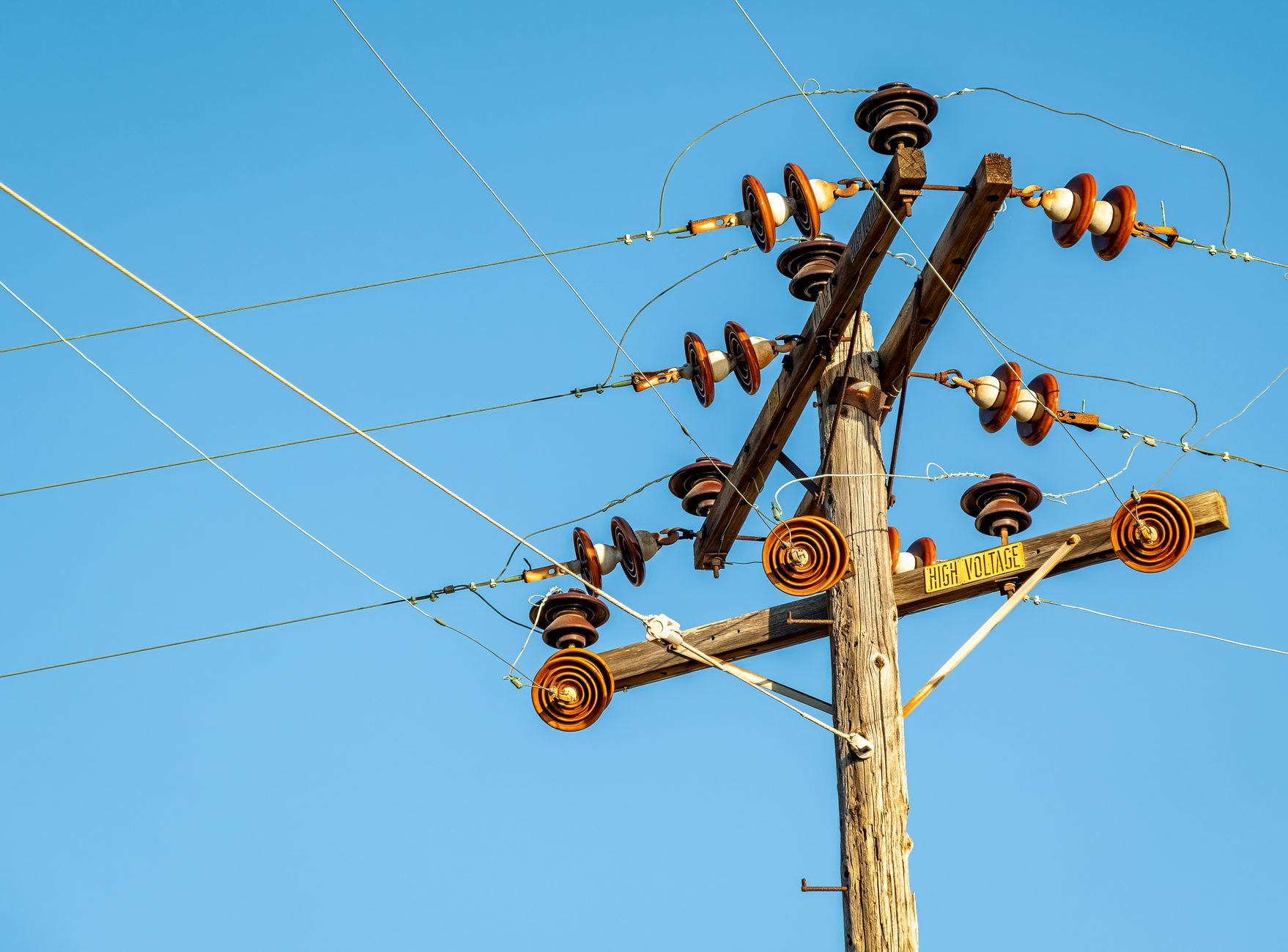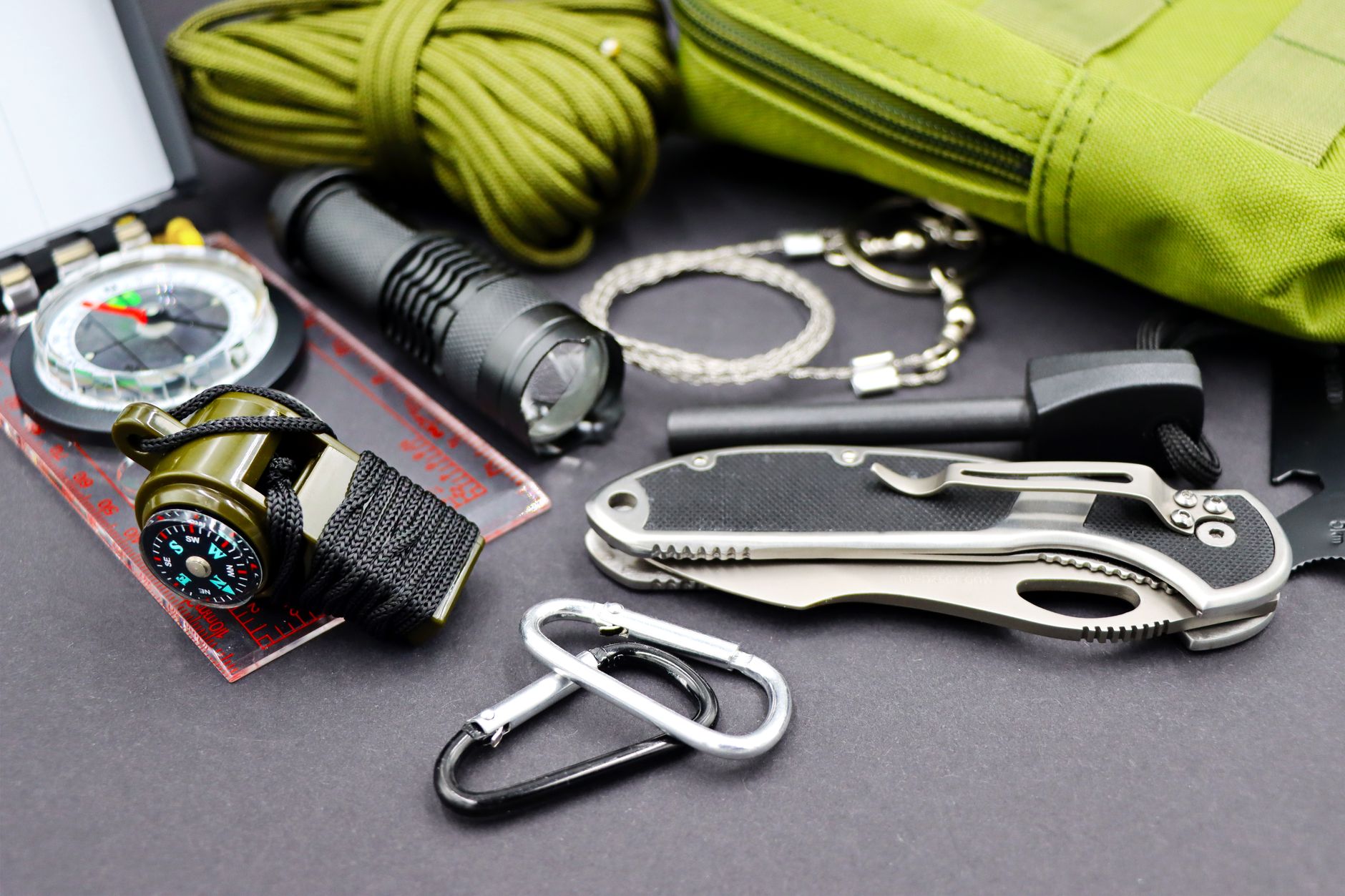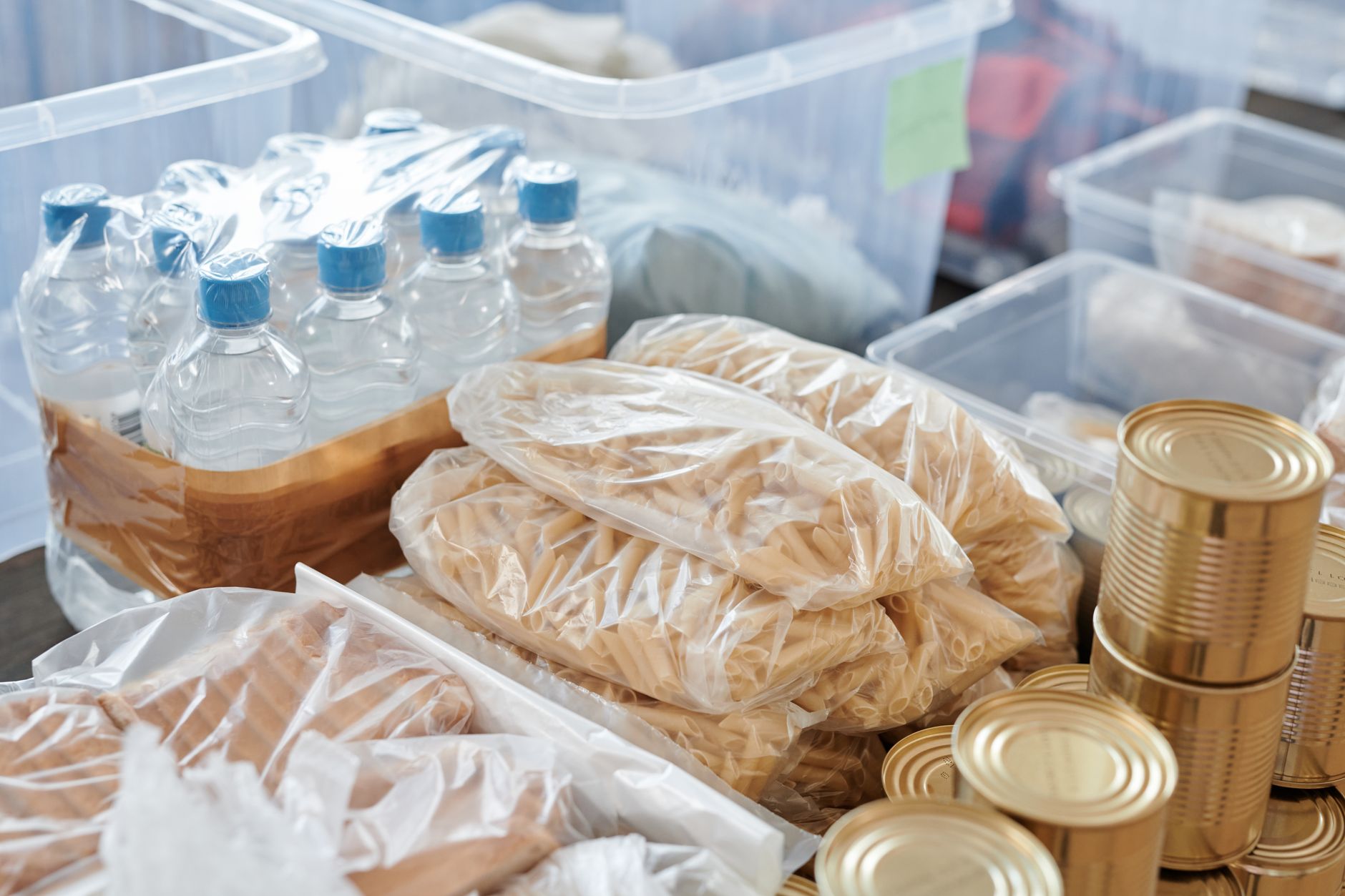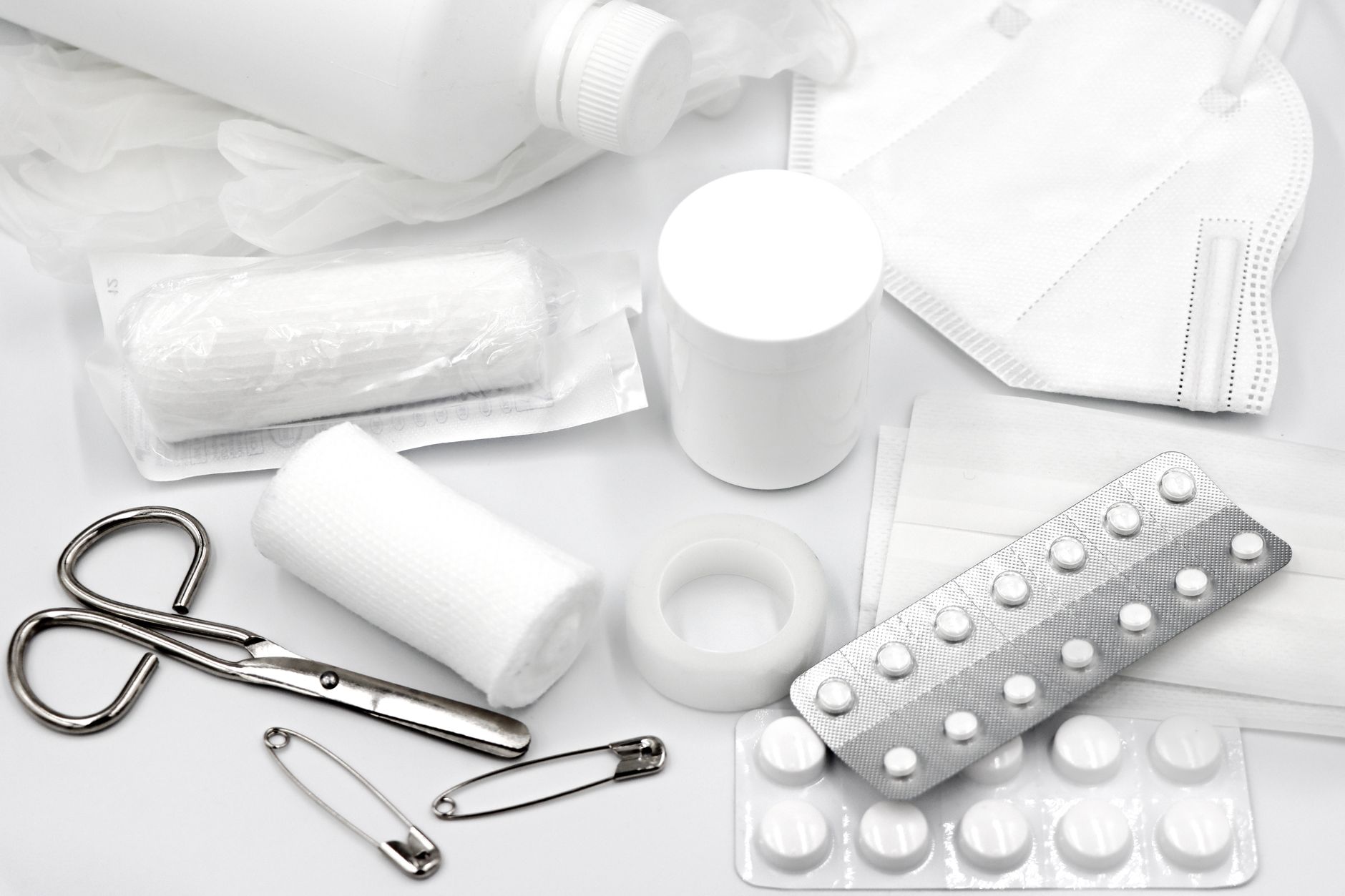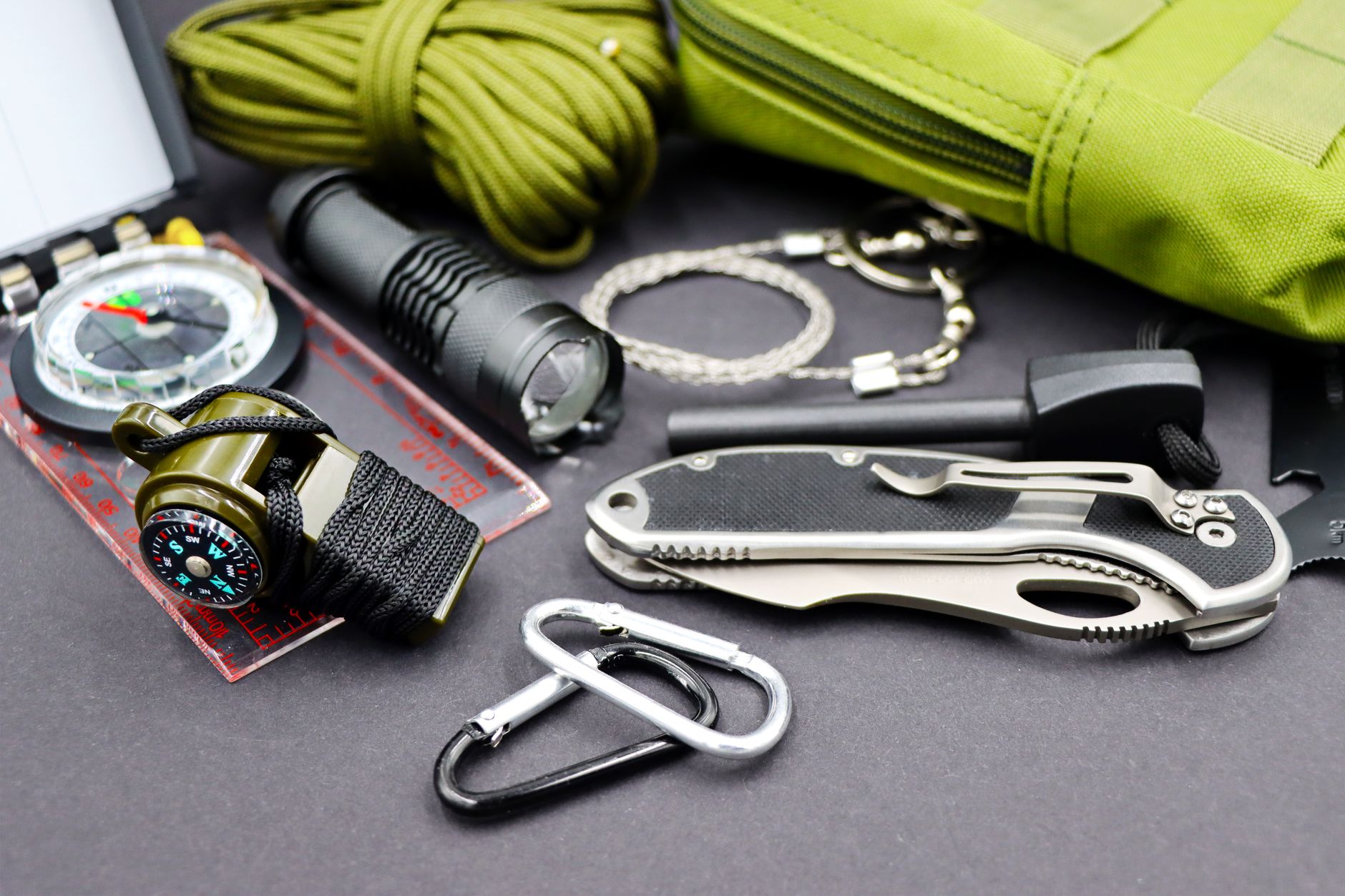
Man setting up campfire in forest with gear spread out. Perfect for outdoor adventure themes.

72-Hour Emergency Kit List: Everything You Actually Need (2026)

Both FEMA’s Ready.gov and the American Red Cross recommend that every household maintain a 72-hour emergency kit — enough supplies to be self-sufficient for three days following a disaster. That window covers the most dangerous period after an earthquake, hurricane, ice storm, or civil emergency, when first responders are overwhelmed and utility services may be down. The gap between FEMA’s official list and what experienced preppers actually pack is significant. Official recommendations are deliberately minimal — they account for the average person with limited storage space and budget. This guide gives you both: the official baseline and the practical upgrades that make a real difference when things go wrong. ...

April 25, 2026 · 14 min · Jarrod Gravison
A lone backpacker hikes a stunning mountain trail, embracing nature and adventure.

72-Hour Emergency Kit: Food & Water Checklist

A 72-hour kit is the single most important thing you can do for emergency preparedness. FEMA recommends it, the Red Cross recommends it, and there’s a reason: most emergencies — power outages, severe storms, water disruptions — are resolved within 72 hours. This checklist tells you exactly what to pack, how much of it, and why. The Core Rule: 1 Gallon of Water + 2,000 Calories Per Person Per Day That’s the foundation. Everything in this guide builds from those two numbers. For three days, you need: ...

April 25, 2026 · 6 min · Jarrod Gravison
Flat lay of essential emergency survival kit items including first aid and water bottles.

Apartment Emergency Preparedness: Small Space Guide

Living in an apartment doesn’t mean you can’t be prepared — it means you need to be smarter about it. You don’t need a basement or a garage. You need a plan that fits your space, your building, and the specific risks that come with urban living. FEMA’s Ready.gov recommends every household maintain at minimum a 72-hour emergency kit, regardless of living situation. This guide gives you exactly that: a practical, space-efficient preparedness setup for apartment dwellers, organized by priority. ...

April 25, 2026 · 8 min · Jarrod Gravison
A paramedic securing a red emergency medical bag on a shelf inside an ambulance.

Bug Out Bag Checklist 2026: Essential Gear for Emergency Evacuation

In an unpredictable world, preparing for the unexpected isn’t just wise—it’s essential. A meticulously packed bug out bag (BOB) serves as your portable life support system, providing the critical tools and supplies needed to survive for at least 72 hours away from home. Whether facing natural disasters, civil unrest, or sudden evacuation orders, a well-stocked BOB can be the difference between chaos and confidence. This comprehensive 2026 guide will walk you through every critical component of your bug out bag, ensuring you’re ready for any emergency evacuation. We’ll cover everything from water purification to communication, tailored for maximum efficiency and self-reliance. ...

April 25, 2026 · 11 min · Jarrod Gravison
Flatlay of essential survival kit items on a white background

Emergency Preparedness on a Budget: $50, $100, $200 Plans

Emergency preparedness doesn’t require expensive kits or a doomsday bunker. The most important supplies — food, water, basic tools — are available at any grocery store, and a meaningful preparedness kit for one person costs less than $50. FEMA’s Ready.gov outlines the core essentials every household should have, all of which can be sourced at a regular grocery store. Here’s how to build it at three budget levels. What Can You Get with a $50 Emergency Budget? For $50, you can build a solid 72-hour emergency kit for one adult using grocery store basics. This covers the most common emergency scenario: a 1–3 day disruption. ...

April 25, 2026 · 6 min · Jarrod Gravison
Close-up of an orange emergency medical bag with visible zippers and compartments.

Grid-Down Survival Guide: What to Do in a Long-Term Power Outage | SurvivalLab

Most people are prepared for a 4-hour outage (candles, phone battery, ordering food). Fewer are prepared for 4 days. Almost nobody is prepared for 4 weeks. Yet all three scenarios have occurred within recent history in North America — the 1998 Eastern Ontario Ice Storm, Hurricane Katrina, the 2021 Texas winter storm, and countless others. The difference between surviving comfortably and suffering severely is almost entirely determined by what you prepared before the event. ...

April 25, 2026 · 5 min · Jarrod Gravison
Close-up of a hand holding a syringe from a medical kit with various supplies.

How to Build a Faraday Cage: Protect Your Electronics From EMP | SurvivalLab

What Is an EMP and How Real Is the Threat? An electromagnetic pulse (EMP) is a burst of electromagnetic energy that can damage or destroy electronic equipment. There are two distinct types that drive Faraday cage preparedness: Natural EMP: The Carrington Event In 1859, a massive coronal mass ejection (CME) from the sun — known as the Carrington Event — struck Earth’s magnetic field and induced electrical currents in telegraph lines across North America and Europe. Telegraph operators reported sparks and fires. In 2026, the same event would induce currents across power lines, transformers, and the billions of electronic devices connected to the grid. ...

April 25, 2026 · 11 min · Jarrod Gravison
A healthcare worker reaches for a red medical bag on a stretcher indoors.

How to Start a Survival Garden: Beginner's Guide to Growing Emergency Food | SurvivalLab

A survival garden is the longest-range component of emergency food preparation. Unlike stored food that depletes as you use it, a garden is self-renewing — properly managed with seed saving, it can produce food indefinitely. The catch: gardening takes time to learn, soil takes years to build, and seeds take weeks to produce food. The best time to plant a survival garden is years before you need it. Calorie-First Gardening: What to Grow Most garden advice focuses on nutrition and taste. A survival garden requires a different priority: calories per square foot. You can be perfectly nutritious and starve to death. Here are the best crops ranked by calorie density: ...

April 25, 2026 · 5 min · Jarrod Gravison
Military personnel in action, wearing camouflage and aiming a rifle outdoors.

Hurricane Preparedness Checklist 2026: Before, During & After the Storm

⚡ Quick Answer: Start at least 72 hours before landfall. Five non-negotiables: board or shutter windows, fill your gas tank, store 1 gallon of water per person per day for 7 days, charge all devices and power banks, and confirm your evacuation route with a paper copy. After the storm: don’t return until officials clear the area — downed power lines and floodwater kill more people than the storm itself. ...

April 25, 2026 · 13 min · Jarrod Gravison
Close-up of tactical military gear with camouflage helmet and gloves showcasing readiness.

Neighborhood Mutual Aid Network: Disaster Prep Guide

When Hurricane Helene tore through western North Carolina in late September 2024, it knocked out roads, power, and cell service across a wide swath of Appalachia. FEMA and the National Guard eventually showed up — but for the first 48 to 72 hours, most people were completely on their own. What separated the neighborhoods that held together from the ones that fell apart wasn’t gear. It was familiarity. Neighbors who already knew each other’s names, who already knew who had a chainsaw or a generator or a nurse in the house, organized quickly. Strangers didn’t. ...

April 25, 2026 · 13 min · Jarrod Gravison
Two armed men in tactical gear engaging in realistic indoor combat training.

Power Outage Survival Guide 2026: How to Stay Safe When the Grid Goes Down

⚡ Quick Answer: Refrigerated food is safe for 4 hours with the door closed; frozen food lasts 24–48 hours. Never run a generator, camp stove, or charcoal grill indoors — carbon monoxide kills within minutes. Fill bathtubs with water immediately (toilet flushing). For outages over 48 hours, priorities shift to: drinking water, heat or cooling, communication, and medical device power. In the summer of 2023, a heat dome event knocked out power for over 500,000 customers in the Pacific Northwest for up to five days. Fifty-three people died — not from the storm, but from heat illness during the blackout. None of them had to. The interventions required to survive a 5-day summer outage aren’t complicated: stored water, a battery-powered fan, a neighbor with a cool basement. What they require is preparation done before the lights go out. ...

April 25, 2026 · 14 min · Jarrod Gravison
Close-up of tactical military gear including a rifle, radio, and vest on a dark background.

Survival & Preparedness Statistics 2026: 42 Key Facts, Trends & Data Points

Emergency preparedness is no longer fringe. It’s mainstream — and the data proves it. From FEMA’s annual household surveys to NOAA’s billion-dollar disaster trackers, the numbers paint a picture of a country that is increasingly aware of its vulnerabilities and, slowly, starting to act on that awareness. This page compiles 42 verified statistics on survival and emergency preparedness — covering prepper demographics, market size, natural disasters, power outages, emergency food, water preparedness, generators, and first aid. Every stat is sourced and current as of 2026–2026. ...

April 25, 2026 · 13 min · Jarrod Gravison
Close-up of tactical military gear including rifle, backpack, and helmet in camouflage.

Urban Survival Guide: Emergency Prep for Apartment & City Dwellers | SurvivalLab

Most emergency preparedness content assumes a suburban home with a garage and pantry. If you live in a city apartment, the space constraints, building systems, and evacuation dynamics are completely different. This guide addresses urban preparedness specifically — not just a downsized version of rural prep. Urban-Specific Emergency Risks City dwellers face a different risk profile than rural homeowners: Supply chain dependency: Urban grocery stores hold 1–3 days of inventory. During any emergency announcement, stores empty within 24–48 hours. Rural residents with pantries and food storage have weeks; urban residents relying on just-in-time supply chains may have hours. High-rise challenges: Elevators stop working during power outages. If you live on a high floor, stairwell evacuation with bags is your reality. Store emergency supplies accordingly — weight matters more than in a car-dependent suburban setup. Water system dependency: Urban water systems require electrically-powered treatment and pumping. During major power outages, water pressure drops and eventually stops — faster in tall buildings than single-family homes. Evacuation congestion: Urban evacuation routes become gridlocked within hours of a regional emergency. If you need to leave, leaving early matters more in a city than anywhere else. Higher population density: More competition for resources, potentially more social instability during extended emergencies. The FEMA Build-a-Kit guidelines are designed for all households but explicitly note that apartment and urban dwellers should focus on portable and space-efficient supplies given storage constraints. ...

April 25, 2026 · 5 min · Jarrod Gravison
A soldier in full camouflage gear aiming a rifle while in a tactical stance outdoors.

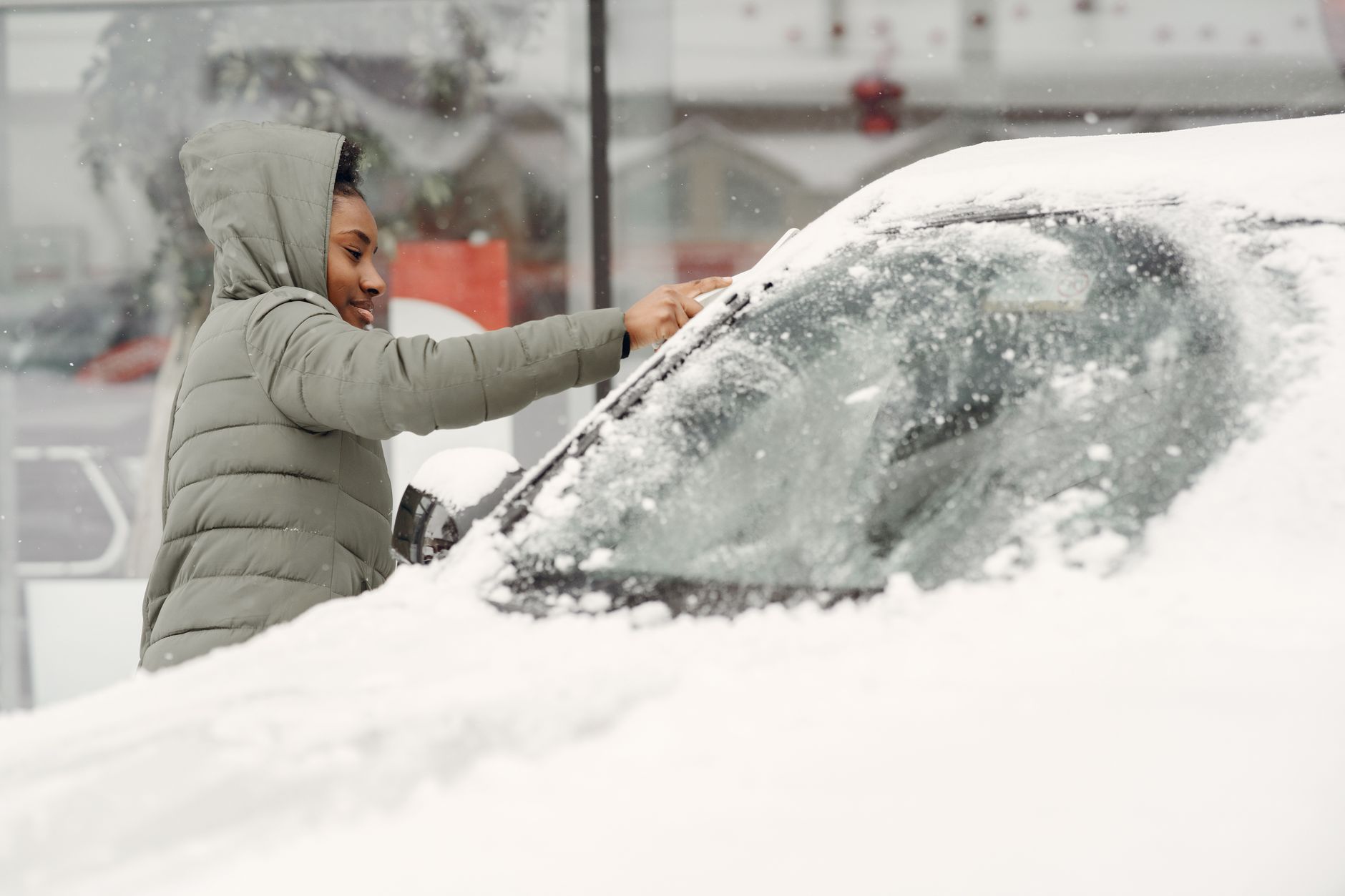
Winter Car Survival Kit: Complete Checklist for Cold-Climate Drivers | SurvivalLab

Every year, dozens of people die in North America from winter vehicle emergencies that were survivable with basic preparation. Getting stuck in a blizzard, sliding into a ditch on a rural highway, or dealing with a dead battery in -25°C weather are all scenarios where a few pounds of gear in your trunk can mean the difference between a minor inconvenience and a life-threatening emergency. The Public Health Canada vehicle emergency preparedness guidelines recommend carrying a winter car survival kit from November through April in northern climates. This is standard safety practice in rural Ontario, Manitoba, and any cold-climate region. ...

April 25, 2026 · 5 min · Jarrod Gravison