An adult man enjoys coffee by a campfire in a serene forest setting.

2-Week Emergency Food Supply: What to Store & How

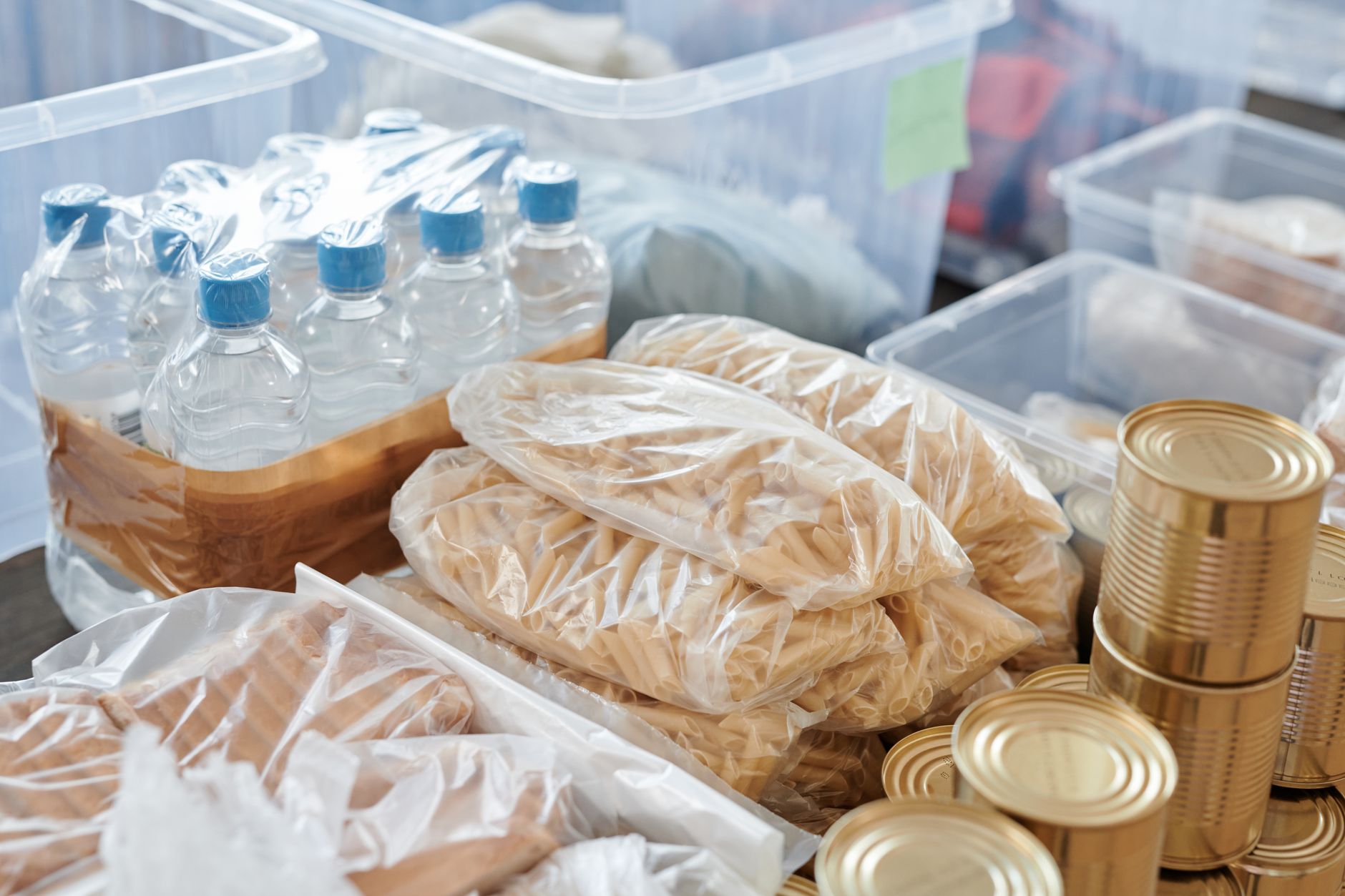
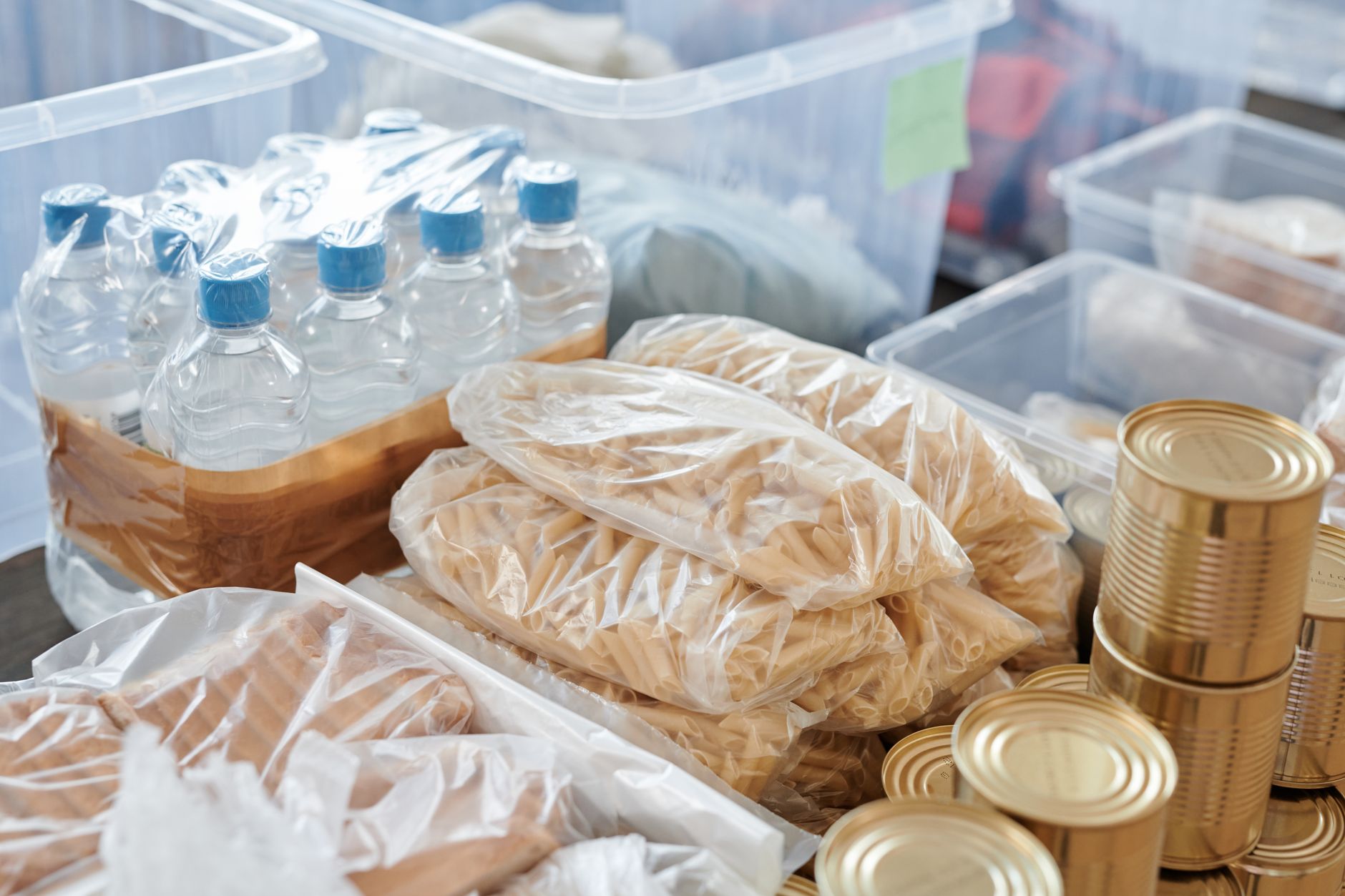
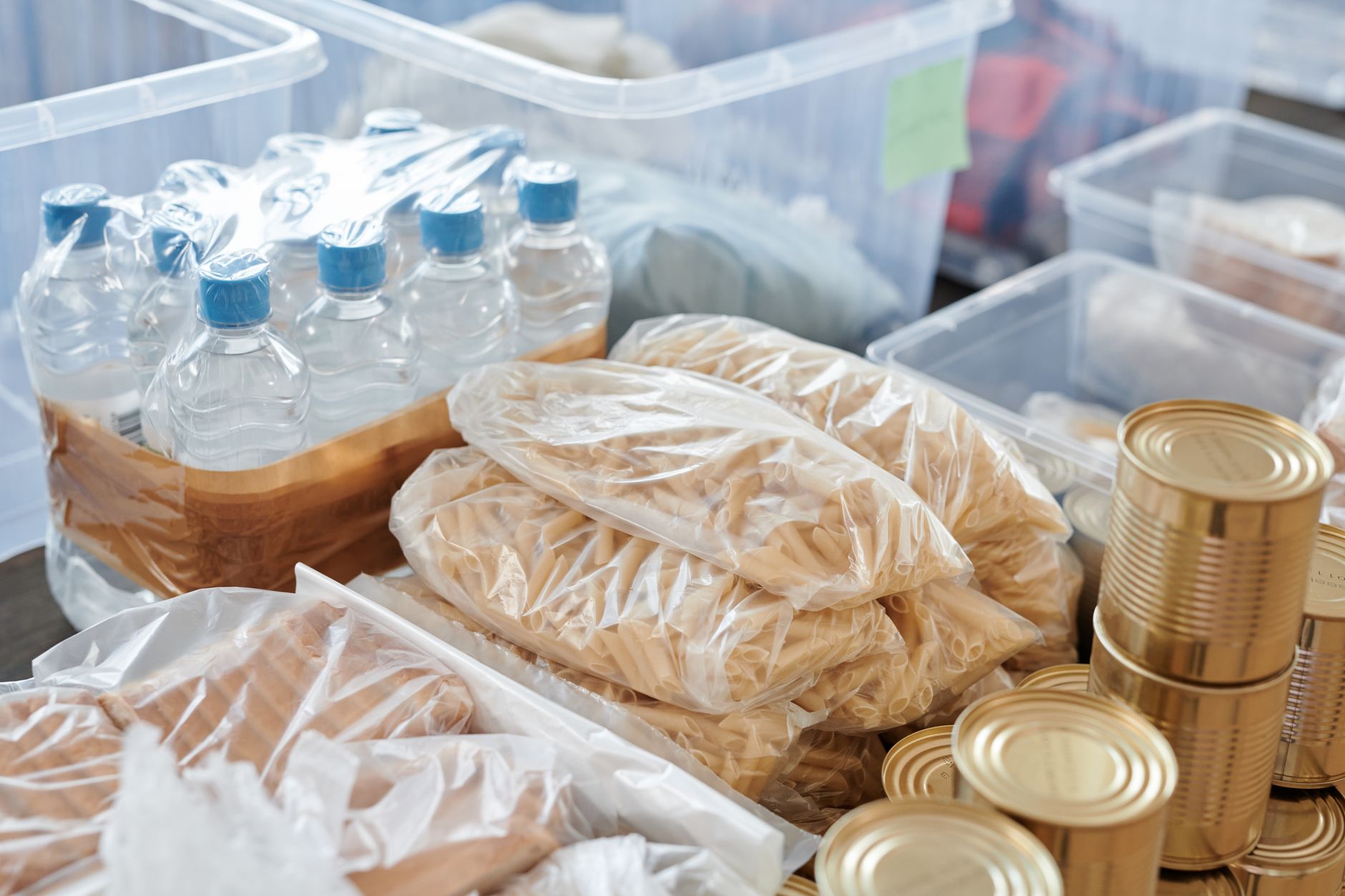
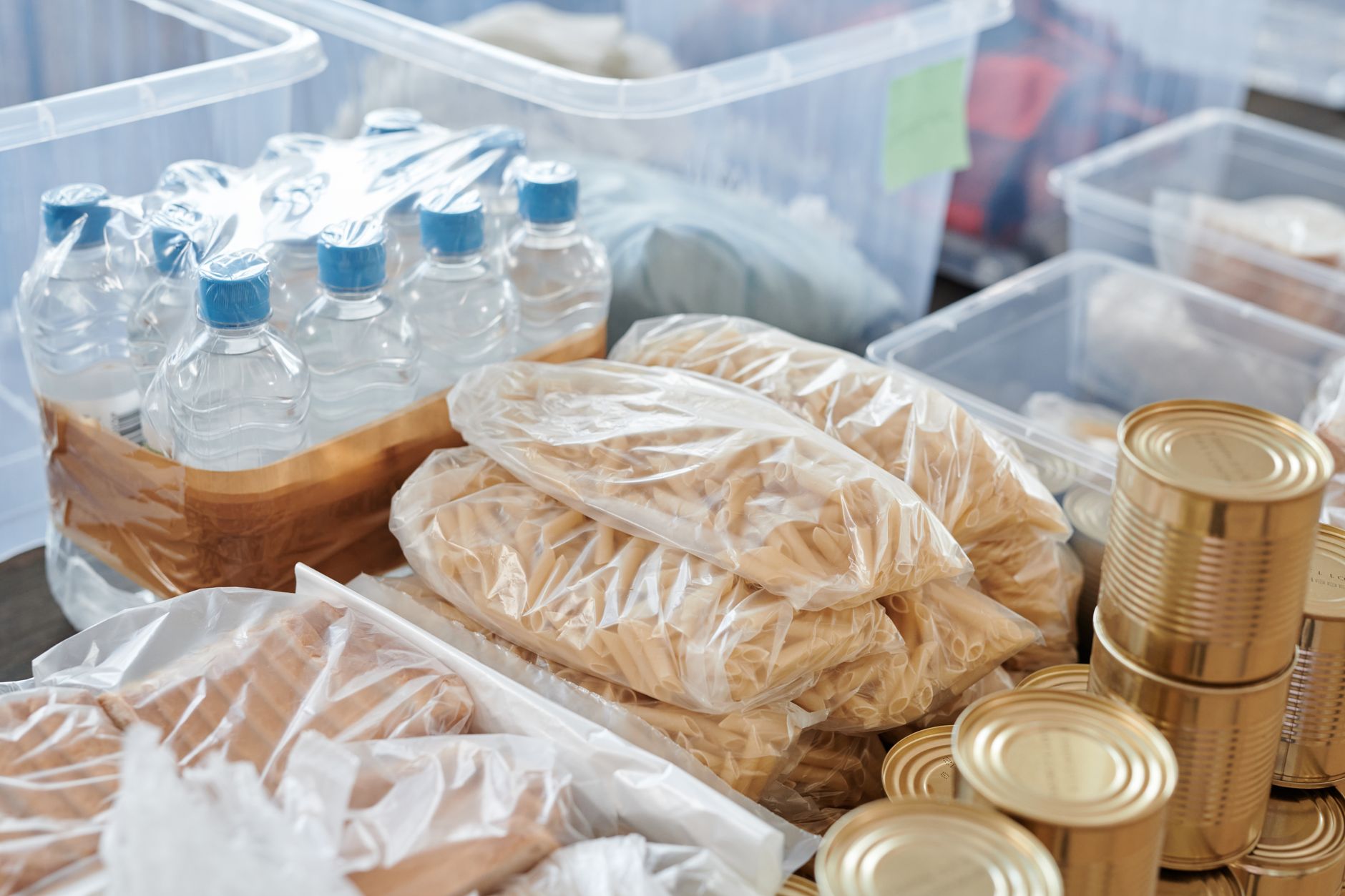
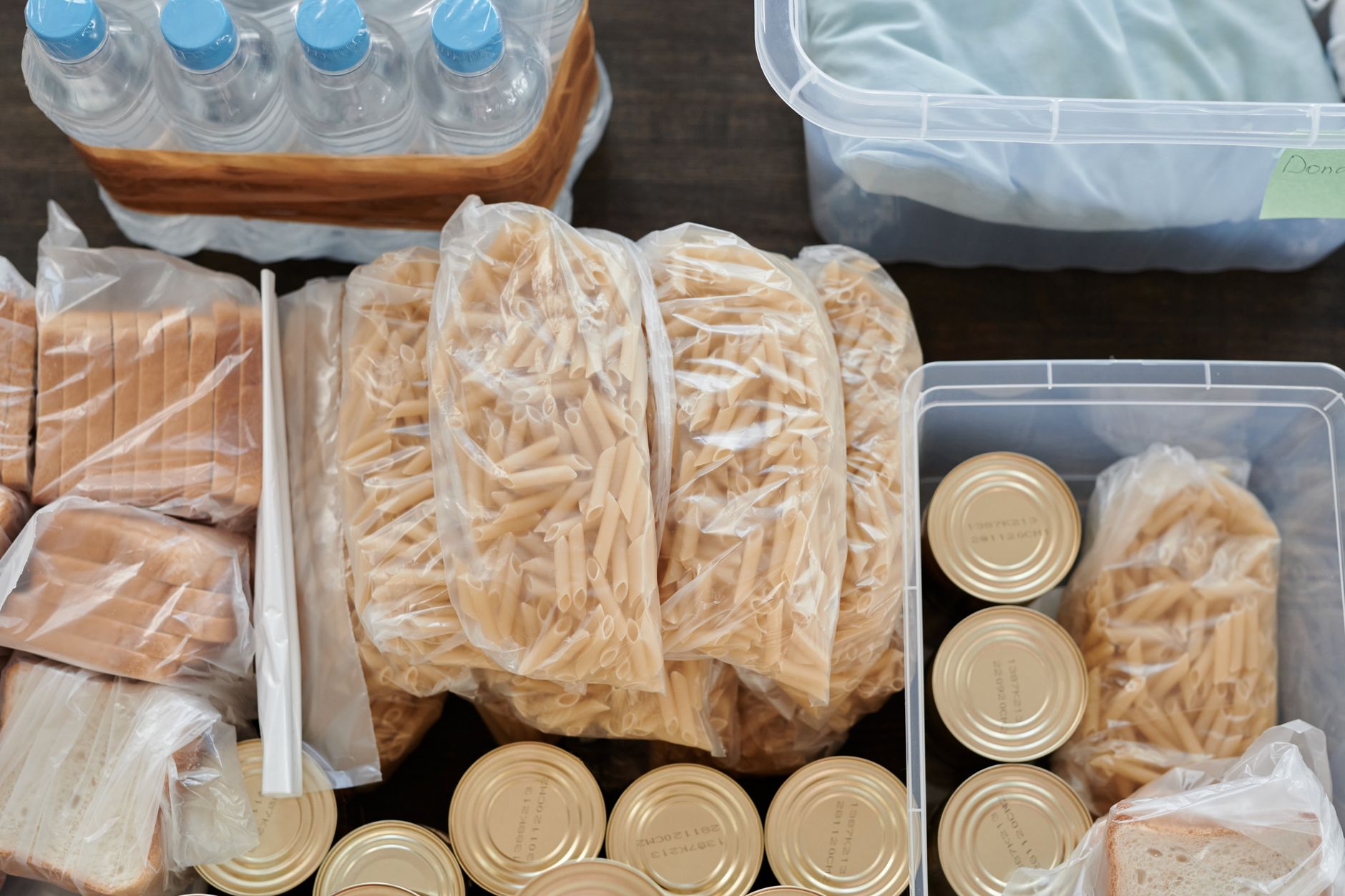
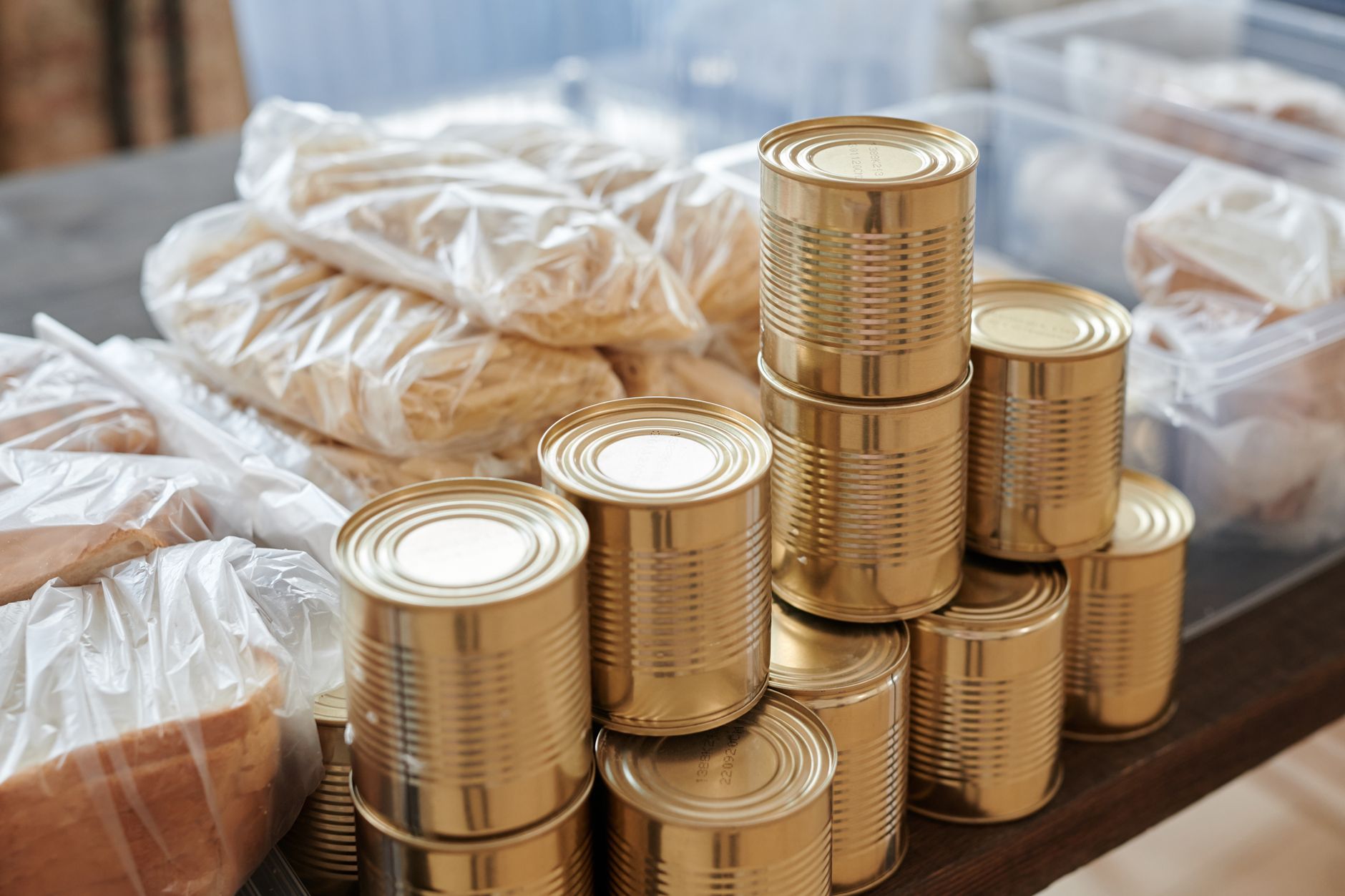
A 2-week food supply is the gold standard for household emergency preparedness. It covers most regional emergencies — extended power outages, winter storms, supply disruptions — without requiring the major investment of a 3-month supply. The good news: for one person, you can do this for $50–$100 using items from any grocery store. This guide gives you the complete pantry list, storage requirements, and a cost breakdown for multiple budget levels. ...

April 25, 2026 · 6 min · Jarrod Gravison
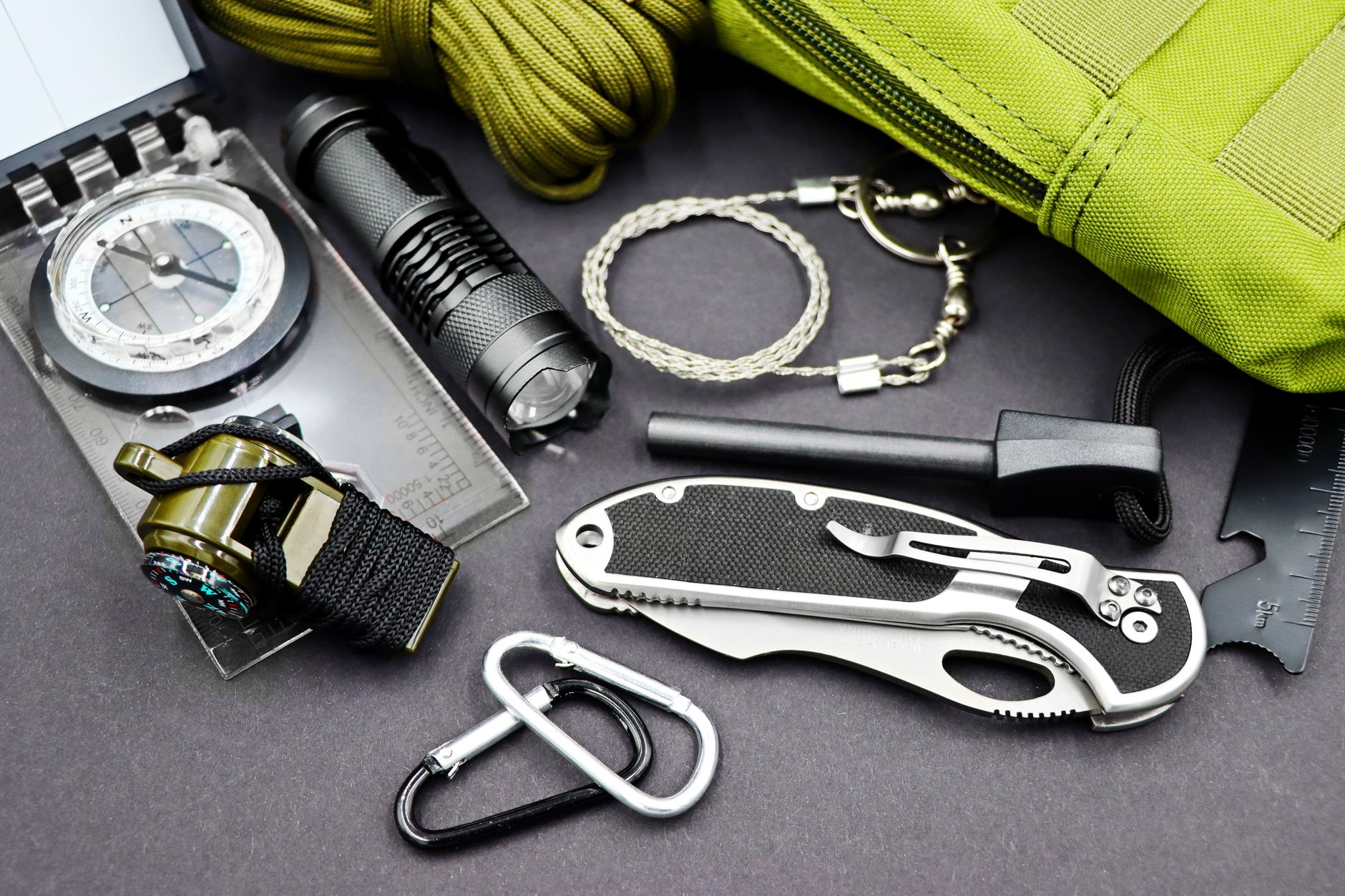
A comprehensive layout of essential survival tools including compass, flashlight, and knife, perfect for outdoor adventures.

3-Month Emergency Food Supply: Complete Planning Guide

A 3-month food supply is where emergency preparedness becomes genuinely serious. It protects against job loss, supply chain disruptions, extended natural disasters, or regional crises that stretch well past the 72-hour or 2-week window. FEMA’s national preparedness program encourages households to build toward long-term food resilience well beyond the 72-hour baseline. It’s also where the planning gets more complex — so this guide breaks it down methodically, starting with the math. ...

April 25, 2026 · 6 min · Jarrod Gravison
A serene camping site with a tent, campfire, and kerosene lamp in lush greenery during daylight.

Best Emergency Food Kits in 2026: What Preppers Actually Buy

Best Emergency Food Kits in 2026: What Preppers Actually Buy Skip to main content SurvivalLab Food & Water Gear Scenarios All Articles About Home › Best Emergency Food Kits 2026 Emergency Food · Buyer’s Guide Best Emergency Food Kits in 2026: What Preppers Actually Buy By SurvivalLab·Updated 2026-04-26 By SurvivalLab Editorial Team · Updated April 2026 · 15 min read Quick Answer: The best emergency food kits for most people are Mountain House (best taste, 30-year shelf life, gold standard since 1969) and ReadyWise (best value, ~$1/serving). For 72 hours: one Mountain House Adventure Meal pouch pack covers you. For 1 month: combine ReadyWise 120-serving bucket + Augason Farms bulk grains. According to FEMA’s official guidelines, every household should maintain at minimum a 3-day supply — but 2 weeks is the real-world minimum preppers consider functional. ...

April 25, 2026 · 9 min · Jarrod Gravison
A rustic lantern hangs, casting warm light amidst lush foliage and camping gear.

Best Emergency Food Supply Kits 2026 (Ranked by Value)

FEMA recommends every household have at least 72 hours of food. Most preppers aim for 2 weeks minimum. If you’ve been through a power outage, ice storm, or supply chain disruption, you already know why. The question isn’t whether you need emergency food — it’s which brand to trust with something this important. We bought, opened, cooked, and tasted emergency food kits from every major brand. We tracked actual calories per serving (not just what the label claims), sodium content, taste quality, ease of preparation, and true cost per day of food. Here’s what’s worth buying. ...

April 25, 2026 · 8 min · Jarrod Gravison
Flat lay of essential emergency survival kit items including first aid and water bottles.

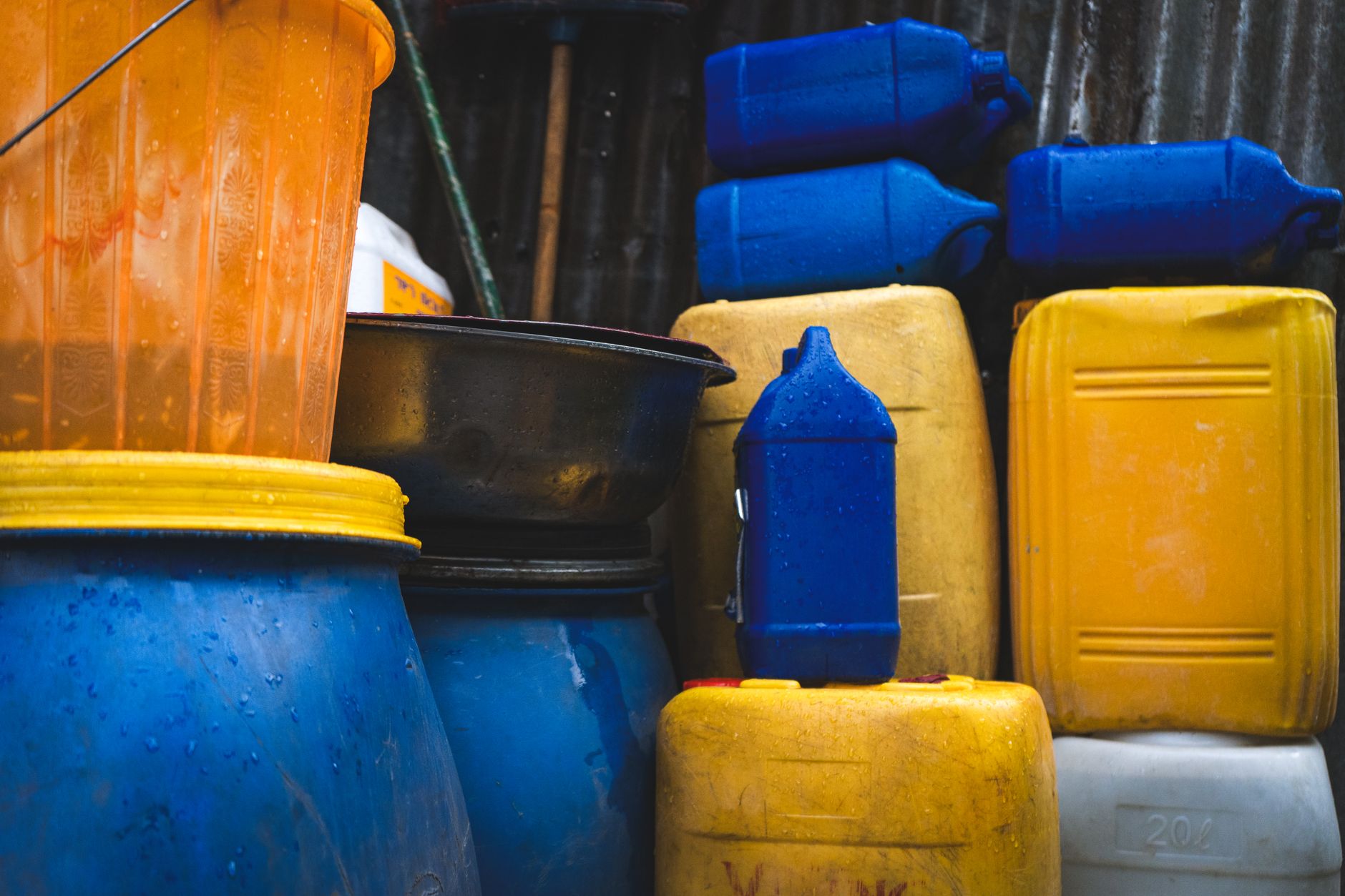
Best Emergency Water Storage Containers 2026: Tanks, Barrels & Jugs | SurvivalLab

Water is the highest-priority survival resource — a person can survive weeks without food but only 3 days without water. Yet most families have less than 3 days of water storage. FEMA’s emergency preparedness guidelines recommend at minimum a 72-hour water supply, with 2 weeks being the practical target for serious home preparedness. This guide covers the best containers at each scale, how to properly store and rotate water, and the FEMA-based math for calculating how much you need. ...

April 25, 2026 · 5 min · Jarrod Gravison
Man setting up campfire in forest with gear spread out. Perfect for outdoor adventure themes.

Best Emergency Water Storage Solutions for Home Preparedness (2026)

Water is the one supply category that genuinely cannot wait. A healthy adult can go three weeks without food — but without water, cognitive function deteriorates in 24 hours and serious medical risk arrives by day three. Yet emergency water storage is consistently the most under-prepared category in household readiness. Most people have a few cases of bottled water and call it done. This guide covers everything: how much you actually need (spoiler: the official recommendation is a floor, not a target), which storage containers are worth buying, how long water stays safe, and how to approach storage differently depending on whether you live in a house or an apartment. We’ve also included a family needs calculator and a full purification comparison for when stored supplies run low. ...

April 25, 2026 · 14 min · Jarrod Gravison
Flatlay of essential survival kit items on a white background

Best Freeze-Dried Food Brands 2026: Long-Term Survival Storage Ranked

⚡ Quick Answer: Mountain House is the gold standard — consistent taste, verified 30-year shelf life (lab-tested), widely available. Augason Farms offers best value per calorie (~$2.50–3.50/serving). Thrive Life has best ingredient transparency. ReadyWise is budget-friendly but lower calorie density per dollar. Avoid any brand that doesn’t disclose sodium per serving — most emergency foods run 700–1,200mg sodium per meal. According to FEMA, approximately 60% of Americans have not prepared a three-day emergency supply of food and water. Of those who have started building food storage, the most common mistake isn’t under-buying — it’s buying the wrong things. Cases of single-serving mylar pouches with 1,200 calories per day that taste like cardboard don’t get rotated and don’t get eaten. They get buried in a closet and forgotten. ...

April 25, 2026 · 16 min · Jarrod Gravison
A healthcare worker reaches for a red medical bag on a stretcher indoors.

Emergency Water Purification: Every Method Compared

Water is your most critical emergency supply — more than food, more than shelter. An adult can survive 3 weeks without food but only 3 days without water. During an emergency, your municipal water supply may become contaminated, pressurized systems may fail, or flooding may make tap water unsafe. Both the EPA’s drinking water program and the WHO consider access to safe water a foundational element of emergency health. Knowing which purification method to use — and when — could be the most important skill you have. ...

April 25, 2026 · 7 min · Jarrod Gravison
A paramedic securing a red emergency medical bag on a shelf inside an ambulance.

How Much Food to Store? Complete Calculator Guide

The answer is simpler than most people expect: multiply your daily calorie need by the number of days you want covered, then match that to real food quantities. This guide gives you the exact math, a ready-to-use planning worksheet, and practical storage amounts for families of every size. FEMA recommends 72 hours minimum. Most emergency planners suggest 2 weeks. Serious preparedness-minded households aim for 3 months. You don’t have to do all of it at once — start with 72 hours, then build from there. ...

April 25, 2026 · 6 min · Jarrod Gravison
Close-up of an orange emergency medical bag with visible zippers and compartments.

How Much Water to Store for Emergencies: The Per-Person Calculator

When the tap stops running, you have about 3 days before dehydration becomes a serious medical concern. Not from running out of food, not from the cold — from not having enough water. Yet most households have zero days of emergency water storage. A 2024 FEMA survey found that fewer than 40% of American households had even a 3-day supply of water set aside. This guide gives you a simple, practical per-person calculator to determine exactly how much water your family needs — whether you are planning for a 72-hour power outage, a 2-week hurricane aftermath, or a full 30-day prepper pantry. We will cover container types, rotation schedules, purification backups, and special considerations for pets, infants, and medical needs. ...

April 25, 2026 · 15 min · Jarrod Gravison
Close-up of a hand holding a syringe from a medical kit with various supplies.

Mountain House vs ReadyWise: Which Brand Wins?

Mountain House and ReadyWise are the two brands most people encounter first when researching emergency food. They’re both freeze-dried, both widely available, and both claim to provide 25–30 years of shelf life. But they’re not the same — and depending on your priorities, one will serve you significantly better than the other. When choosing emergency food, it helps to understand what FEMA’s emergency preparedness guidelines actually recommend for calorie and nutrition standards. ...

April 25, 2026 · 5 min · Jarrod Gravison